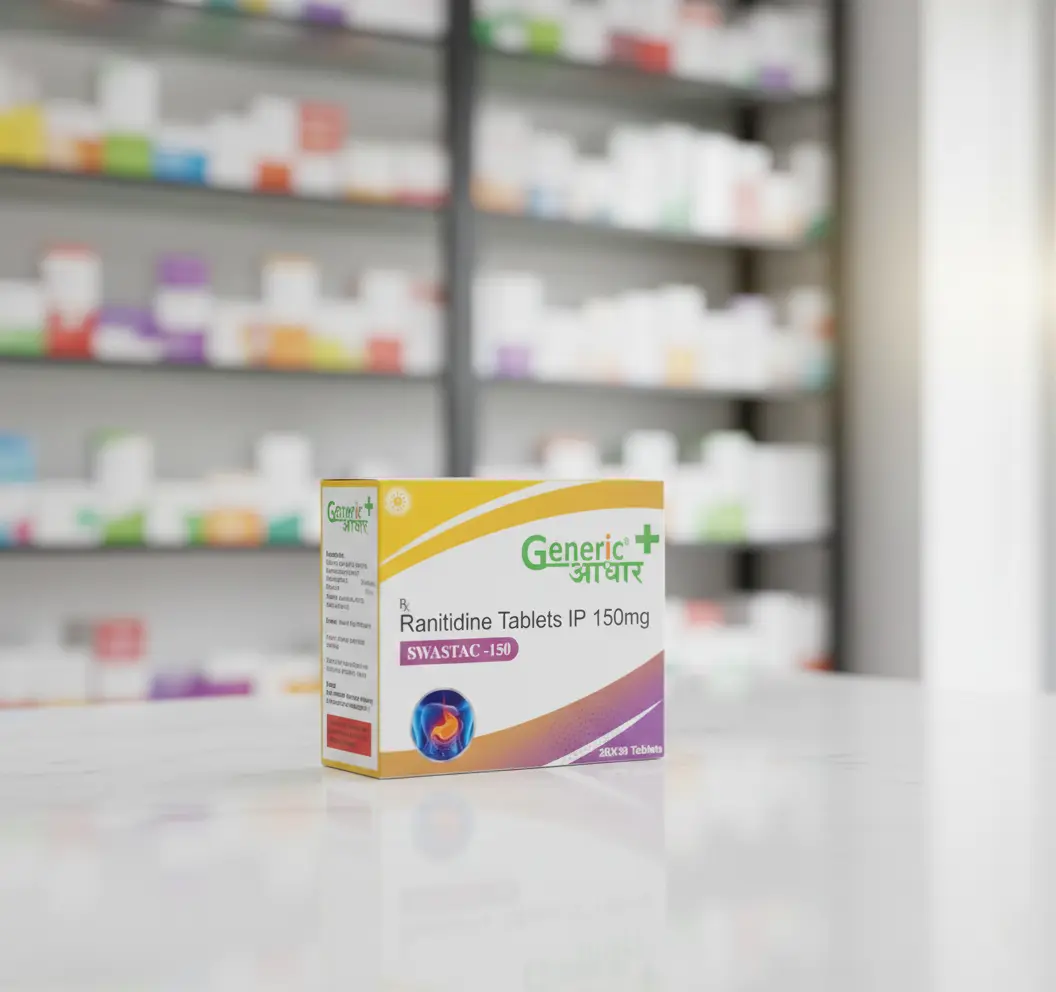
Ranitidine 150 mg tablets are a medication used to reduce stomach acid and treat conditions like heartburn, acid reflux, and stomach ulcers. This medication is available under various brand names in some regions, though it has faced recalls and suspensions in others due to an impurity concern.
Key Information
Active Ingredient: Ranitidine hydrochloride (HCl), a histamine H2-receptor antagonist.
Mechanism of Action: It works by blocking histamine H2 receptors on stomach cells, thereby decreasing the amount of acid produced in the stomach.
Availability: In April 2020, the U.S. Food and Drug Administration (FDA) requested manufacturers withdraw all ranitidine products from the U.S. market, and similar actions were taken in the EU and Australia due to the presence of a probable carcinogen (NDMA). A reformulated version was approved in the US in November 2025 and Australia in October 2024, and it is still available in other markets like India.
Common Uses
Ranitidine 150 mg tablets are used to treat and manage various acid-related conditions:
Gastroesophageal reflux disease (GERD): Manages symptoms like persistent heartburn and acid regurgitation.
Peptic ulcer disease: Helps in the healing and prevention of stomach and intestinal ulcers.
Erosive esophagitis: Treats damage to the esophagus caused by stomach acid.
Zollinger-Ellison syndrome: Manages conditions where the stomach produces excessive amounts of acid.
Indigestion and Heartburn: Provides relief from occasional symptoms.
Dosage and Administration
The dosage of Ranitidine 150 mg varies depending on the condition being treated and the patient’s response. Always follow a doctor’s instructions.
For Duodenal Ulcers (Adults): A typical treatment dose is 150 mg twice daily or 300 mg once daily at bedtime.
For GERD (Adults): The usual dose is 150 mg twice a day.
Administration: The tablet can be taken with or without food. Do not crush or chew the tablet; swallow it whole with water.
Renal Impairment: Dose adjustments may be necessary for patients with kidney disease (creatinine clearance less than 50 mL/min).
Potential Side Effects
Most people do not experience side effects, but common ones can include:
Headache
Diarrhea or constipation
Nausea and vomiting
Stomach pain or discomfort
Dizziness or drowsiness
Seek emergency medical help if you experience serious side effects such as signs of an allergic reaction (hives, difficulty breathing, swelling of the face/throat), chest pain spreading to the jaw or shoulder, unexplained weight loss, or bloody/black stool







-
(0 customer reviews)